

CHANNEL 4 · SERIES 7 & 11
Turning multiple relationships into one compelling emotional journey.
Married at First Sight · Audience · Character · Story judgement
Married at First Sight is built on human behaviour.
Relationships develop at different speeds, perspectives conflict and seemingly small moments can completely change how an audience understands a person or couple.
The creative challenge is making that complexity feel clear without simplifying the people at the centre of it.
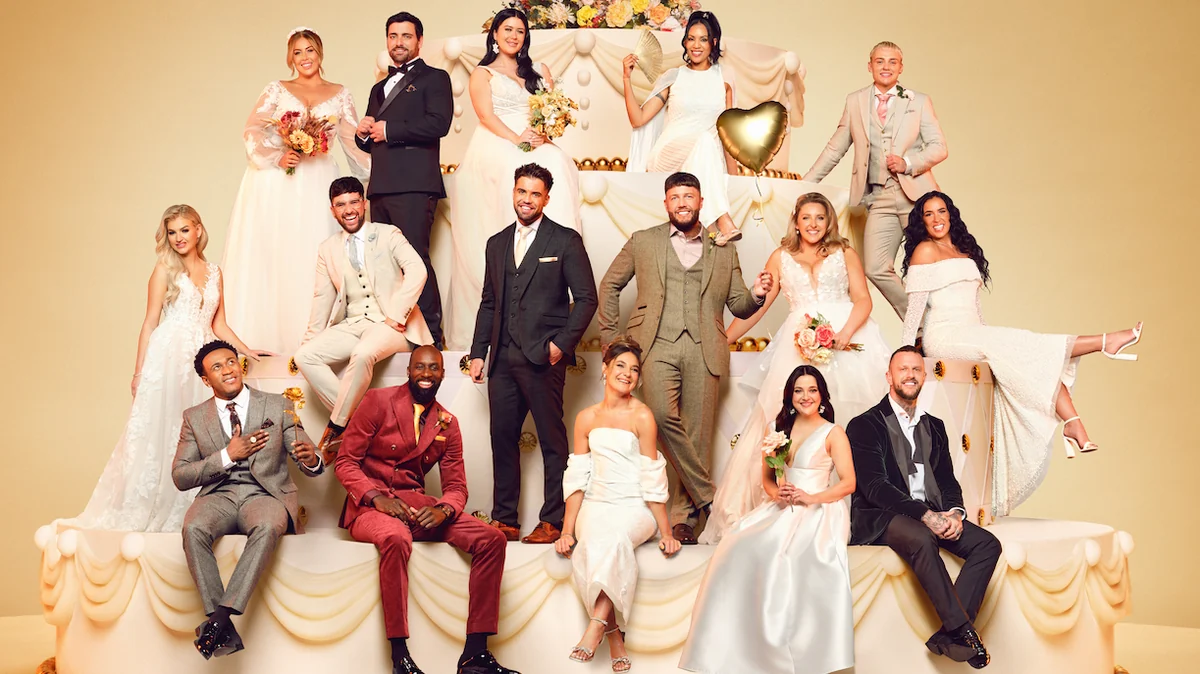
01 / THE CHALLENGE
Finding clarity inside complexity
At any point in the series, multiple relationships are developing simultaneously.
Weddings, shared living, expert analysis and commitment ceremonies generate competing stories, each with their own emotional stakes.
The audience needs to understand not simply what happened, but what changed, why it matters and how it affects the way they see the people involved.
That requires a clear sense of where audience attention should sit and which developments genuinely move the story forward.
02 / THE CREATIVE APPROACH
Starting with character, not mechanics
My approach was to look beyond individual events and understand the emotional journey underneath them.
What does the audience currently believe about this relationship? What has changed? Whose perspective matters at this point? And what information will make the next development more powerful?
Those questions provided the creative framework for bringing multiple characters and competing perspectives into a coherent experience.
Rather than treating every storyline equally, the priority was identifying the relationships and moments carrying the greatest emotional consequence and allowing the wider story to build around them.
03 / CREATIVE JUDGEMENT
Protecting nuance while creating direction
Reality storytelling becomes less interesting when people are reduced to simple heroes and villains.
Married at First Sight demanded something more nuanced.
Different people could experience the same relationship very differently, so creative decisions had to preserve those competing perspectives while still giving the audience a clear emotional route through the story.
That balance between clarity and complexity was fundamental: making the storytelling accessible without removing the ambiguity that makes real human behaviour compelling.
04 / COLLABORATION
Maintaining a shared creative vision
Working within a large established format meant individual creative decisions also had to serve the wider series.
I worked closely with producers and the editorial team to maintain consistency across character, tone and developing relationships, while responding to new material and changing story priorities.
The strongest decisions came from returning to the same central question: what does the audience need from this moment for the wider story to work?
That created a shared creative reference point when navigating competing ideas and perspectives.
05 / THE OUTCOME
Making complicated human stories easy to follow
The result was long-form entertainment built around character, consequence and emotional progression, where multiple relationships could develop simultaneously without losing clarity or momentum.
For me, Married at First Sight demonstrates a principle that sits at the heart of my broader creative approach:
Understand what the audience cares about, protect what makes the story human and give complexity a clear direction.
THE AUDIENCE RESPONSE
Long-form storytelling with younger-audience impact.
- Share of 16–34 TV viewers
- 32.6%
- One of Channel 4's strongest streamed shows for 16–34s
- TOP PERFORMER
- Long-form reality storytelling at scale
- SERIES 7
NEXT CASE STUDY
Destination X